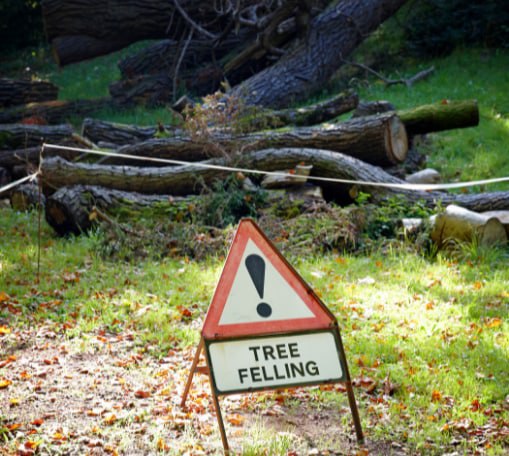
Trees add character, shade and natural beauty to gardens and outdoor spaces throughout Ramsgate, Kent. However, as they mature, their canopies can become increasingly large or dense, sometimes creating difficulties for the surrounding environment. When a tree has outgrown its available space or developed an unbalanced shape, professional crown reduction may help bring its growth under control while preserving its overall structure.
Crown reduction involves carefully reducing the height and spread of a tree’s canopy by shortening selected branches. It is different from indiscriminate cutting, as the aim is to maintain the tree’s natural appearance and encourage healthy regrowth. Recognising when this service may be appropriate can help property owners make better decisions about long-term tree care.
Common Signs That Crown Reduction May Be Needed
Not every large tree requires crown reduction. The decision depends on its species, condition, location and natural growth pattern. A professional assessment can establish whether reducing the canopy is suitable or whether another form of tree maintenance would be more appropriate.
The Tree Has Outgrown Its Available Space
One of the clearest signs that crown reduction may be beneficial is when a tree has grown beyond the space available for it. Branches may extend over garden buildings, roofs, driveways or neighbouring parts of the property.
When a canopy becomes too wide for its surroundings, it can restrict access, interfere with outdoor activities or make routine garden maintenance more difficult. Carefully reducing selected branches can help create better clearance while retaining the tree’s natural shape.
Branches Are Becoming Too Close to Buildings
Trees growing near houses, garages and other structures may eventually develop branches that come into contact with roofs, walls or gutters. Repeated contact can cause abrasion, obstruct maintenance access and create concerns during periods of strong wind.
Crown reduction may help manage the spread of the canopy and maintain suitable clearance. However, the extent of work should be based on the tree’s condition and the specific obstruction rather than removing large sections unnecessarily.
The Canopy Has Become Unbalanced
A tree with uneven growth may have a noticeably heavier canopy on one side. This can develop because of restricted light, nearby obstacles, previous pruning or the tree’s natural growth habits.
An unbalanced canopy does not automatically indicate that a tree is unsafe, but it may benefit from professional attention. Selective crown reduction can help improve its overall shape and manage excessive growth where appropriate.
Excessive Growth Is Restricting Light
A broad or dense canopy can significantly reduce the amount of natural light reaching gardens, windows and outdoor seating areas. This may affect the usability of the surrounding space and limit the growth of plants beneath the tree.
A carefully planned reduction can help manage the canopy’s spread and improve light penetration. The objective should be to achieve a practical balance without removing so much foliage that the tree becomes stressed.
Branches Are Exposed to Increasing Wind Resistance
A large, dense canopy can catch considerable wind, particularly when branches have grown extensively. Although crown reduction is not a guarantee against storm damage, reducing the canopy’s dimensions may be appropriate in certain circumstances.
A tree surgeon can assess its structure, identify weak or poorly positioned branches and determine whether crown reduction would be beneficial. In some cases, selective thinning or the removal of damaged growth may be more suitable.
The Tree’s Growth Is Affecting Nearby Plants
Large trees can compete with surrounding vegetation for sunlight and growing space. When the canopy spreads extensively, smaller plants, lawns and garden features may receive less natural light.
Where appropriate, crown reduction can help manage the tree’s spread and improve the growing conditions around it. The work must be carefully planned to avoid compromising the tree’s health.
Why Professional Crown Reduction Is Important
Crown reduction requires an understanding of tree structure and how different species respond to pruning. Removing too much growth, cutting branches in unsuitable positions or leaving poorly formed wounds can affect the tree’s ability to recover.
Professional tree surgeons assess the canopy before deciding which branches should be shortened. Suitable cuts are made back to appropriate lateral branches, helping preserve the tree’s natural outline and encouraging more controlled regrowth.
It is also important to distinguish crown reduction from other services. Crown thinning focuses on selectively removing branches to reduce canopy density, while crown lifting removes lower branches to improve clearance beneath the tree. Choosing the correct approach depends on the problem that needs to be addressed.
When Should You Arrange a Tree Assessment?
If a tree in your Ramsgate garden has become difficult to manage, is growing close to buildings or has developed an uneven canopy, it may be worth arranging a professional inspection. An assessment can identify whether crown reduction is suitable and establish how much work is necessary.
Avoid attempting to reduce a mature tree yourself, particularly where branches are large, elevated or close to structures. Incorrect cutting can cause damage and may create additional safety concerns.
Conclusion
Crown reduction can be a practical way to manage trees that have outgrown their surroundings, developed unbalanced canopies or are causing problems with light and clearance. When carried out correctly, it helps control the tree’s dimensions while retaining its natural character and supporting its continued health.
If you have noticed any of these signs in your garden, Ramsgate Tree Surgeons can assess the tree and advise on suitable maintenance. Contact the team to discuss your tree care requirements in Ramsgate, Kent.
Call us on: 01843 264695
Click here to find out more about Ramsgate Tree Surgeons
Click here to complete our contact form and see how we can help with your tree needs.